How to obtain precise evidence through administrative means in civil litigation? How to conduct effective supervision in the face of administrative inaction? When civil‑rights protection encounters evidence barriers, the opposing party refuses to negotiate, and the threshold for criminal liability cannot be met, can the administrative approach serve as a key variable?
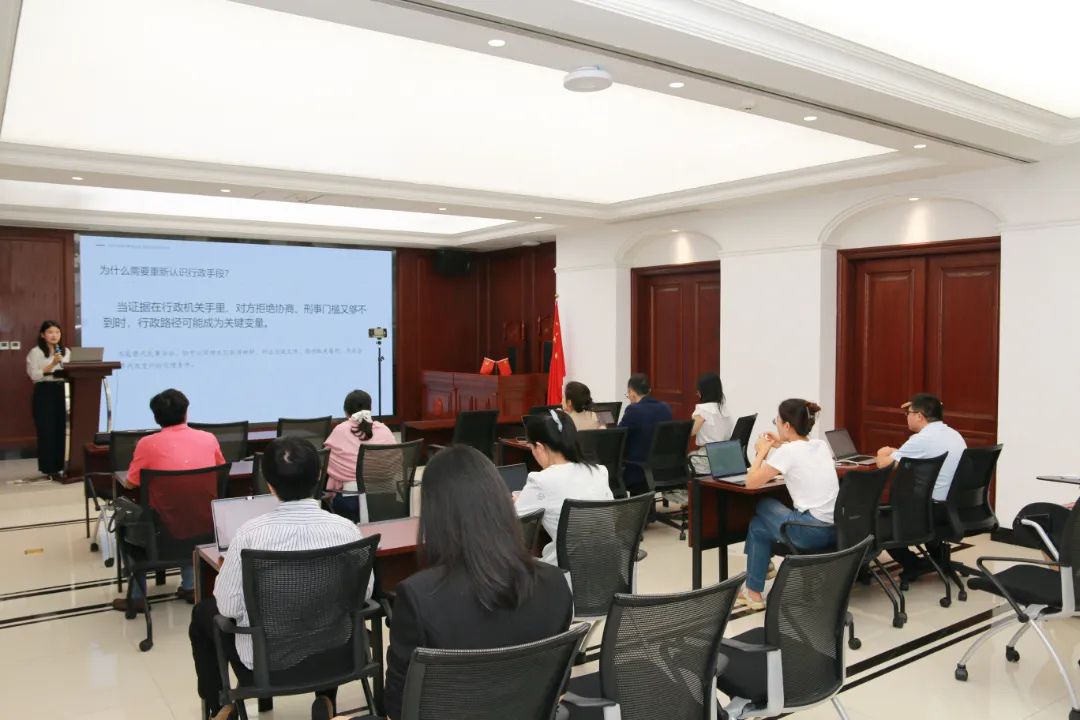
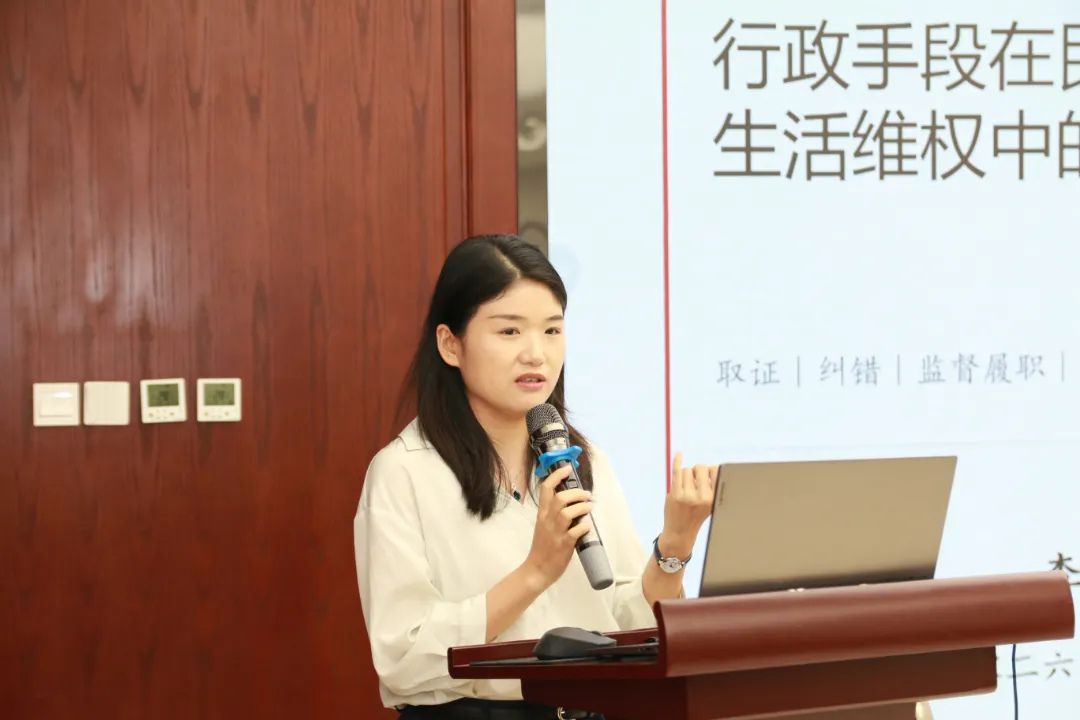
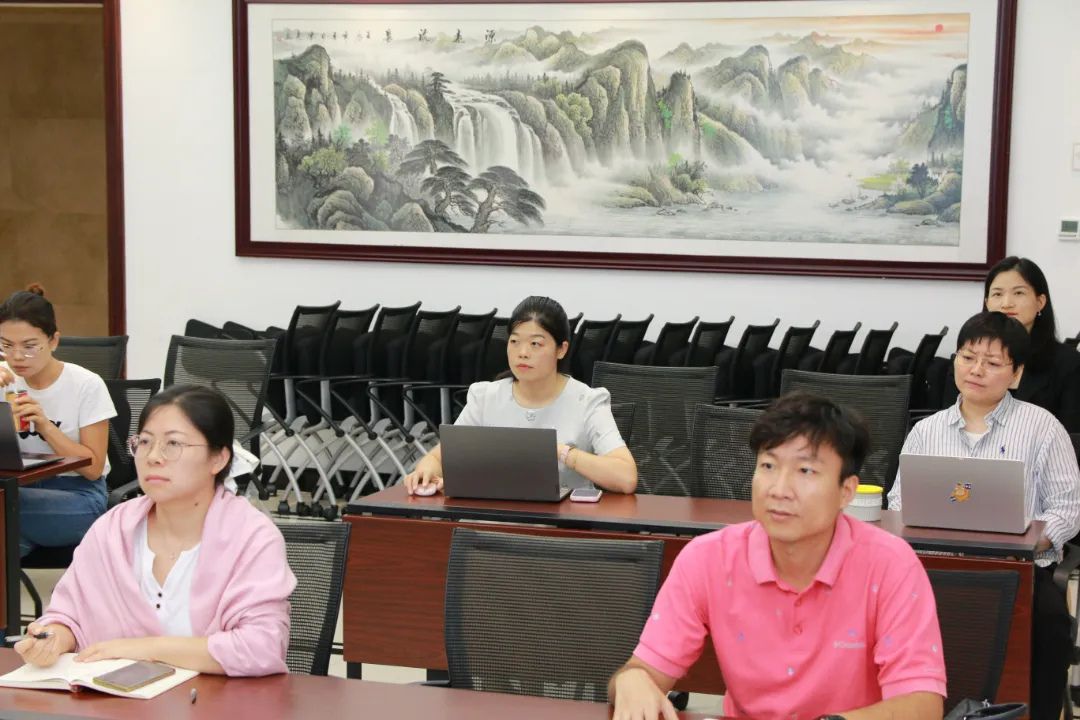
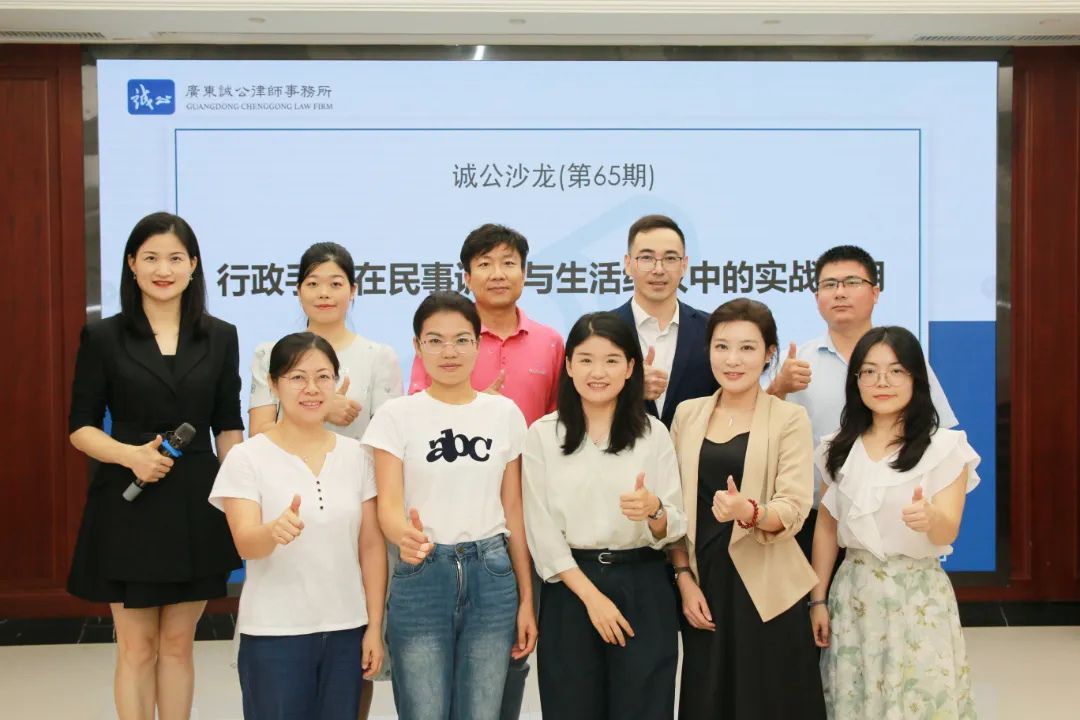
Chenggong Academy cordially invites Lawyer Li Zhaohua to host a salon on August 31, 2026. Centered on the theme "Practical Application of Administrative Means in Civil Litigation and Daily‑Life Rights Protection", the event focuses on four core functions: evidence collection, error correction, supervision of performance of duties, and promotion of mediation. It helps participants reassess the practical value of administrative tools from litigation evidence to daily life, and delivers a legal sharing featuring both professional depth and practical value for legal practitioners and rights‑defending individuals.
This salon is hosted by Lawyer Li Zhaohua. He is a partner and full‑time lawyer at Guangdong Chenggong Law Firm. He also holds the positions of council member of the Economic Law Research Committee of Guangdong Law Society, mediator of the People's Mediation Committee under Guangdong General Chamber of Commerce, mediator at Guangdong Labor and Personnel Dispute Mediation Center, arbitrator of Shenzhen Futian District Labor and Personnel Dispute Arbitration Commission, and quality evaluation expert of Shenzhen Bao'an District Legal Aid Center. With long‑standing dedication to the interdisciplinary field of administrative law and civil litigation, Lawyer Li has amassed extensive hands‑on practical experience. He is adept at converting intricate legal procedures into workable approaches for rights protection.
CHENG
This lecture will be delivered around three core modules, offering a progressive analysis of the practical application of administrative means.
Module 1: Re‑understanding Administrative Tools.
Starting from three common practical difficulties in civil rights protection: inability to obtain key evidence (qualification permits, planning documents, administrative penalties, registration records and other materials held by administrative organs), lack of incentive for the opposing party to negotiate (reminders or litigation alone may not promptly alter the other party’s risk assessment), and gaps between civil and criminal remedies (certain disruptive acts have not met the criteria for criminal case filing). It elaborates on three practical values of administrative tools: obtaining evidence (acquiring case‑related materials through statutory channels such as information disclosure and village‑affairs disclosure); correction and supervision (applying for administrative reconsideration or filing lawsuits against refusal of disclosure, erroneous replies or administrative inaction); and facilitating dispute resolution (initiating administrative law‑enforcement procedures through lawful complaints and reports to boost incentives for negotiation and mediation).
Module 2: Application of Administrative Means in Litigation and Daily Life.
It provides an in‑depth explanation of application skills and practical key points for government information disclosure, including the exclusion‑based rules for disclosure scope, statutory circumstances for non‑disclosure, and special inquiry rules for real‑estate registration materials. Drawing on multiple real‑life cases, it demonstrates how to obtain crucial evidence and rebut the opposing party’s evidence via information disclosure. In addition, it covers key points and strategies for administrative reconsideration, and elaborates on remedy channels for administrative acts such as non‑disclosure replies, including how to organize reconsideration materials centering on three reviewable dimensions: facts, procedures and legal basis.
Module 3: Re‑examining and Properly Applying the Public Security Administration Punishment Law.
Focusing on the "intermediate zone" between civil and criminal matters, it elaborates on application scenarios of the Public Security Administration Punishment Law for daily‑life rights protection. With real‑world cases, it illustrates how to translate "being subjected to harassment" into facts investigable by public security organs, together with practical essentials including evidence preservation, securing time‑and‑location information, and police‑reporting strategies. It helps participants learn how to promptly stop infringements, secure evidence and safeguard their legitimate rights and interests through administrative means when facing daily harassment.
CHENG
This lecture integrates theoretical knowledge with real‑world cases in depth. It not only offers professional improvement pathways for legal practitioners on the use of administrative means, but also provides clear guidance for the general public on practical issues such as evidence collection, administrative supervision and public‑security remedies in civil rights‑protection activities.
As a professional platform focusing on cutting‑edge legal practice, Chenggong Academy under Guangdong Chenggong Law Firm continuously brings together senior lawyers. It produces high‑quality legal knowledge content covering hot‑button legal topics of concern to the public and the industry. People from all walks of life are cordially invited to follow us, explore the essence of the practical application of administrative means in civil litigation and daily rights protection, and build a solid safety net for legitimate rights and interests.
CHENG
C
CHENGGONG
Speaker for This Session